We all in some way care about what other people think of us. At our core we all have a fear of saying something dumb or embarrassing ourselves somehow. One sociological theory says that our effort to prevent those embarrassments is the basis of society.
AI Summary
# Impression Management: How We Present Ourselves Every Day
On this episode of Stuff You Should Know, hosts Josh and Chuck dive into the fascinating sociology of impression management with Irving Goffman's groundbreaking theories about how we present ourselves in everyday life. They explore the idea that all human interaction is essentially a performance, from job interviews to elevator rides, where we consciously or unconsciously manage how others perceive us through our clothes, facial expressions, body language, and behavior. The episode breaks down practical concepts like "front stage" versus "backstage" selves, face work, and the psychological mechanics behind why we naturally adjust our behavior in different social situations—and what happens when someone breaks those unspoken social rules.
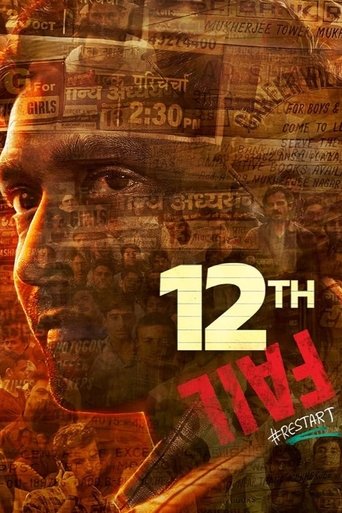
12th Fail
2023
PG
2h 26m
★ 8.0
"All the world's a stage, and the men and women on it are merely players — Josh references the famous quote, attributing it to Rush's song 'Limelight' as an introduction to the episode on impression management."
— Josh

"But when sociologists get on elevators and they turn around, there's an apocryphal story about Irving Goffman doing that and studying, and people just flipping out by... Well, it was, like, a big one on candid camera back in the day for a while. — Chuck references Candid Camera as a show that tested social norms by having people face the rear of elevators."
— Chuck
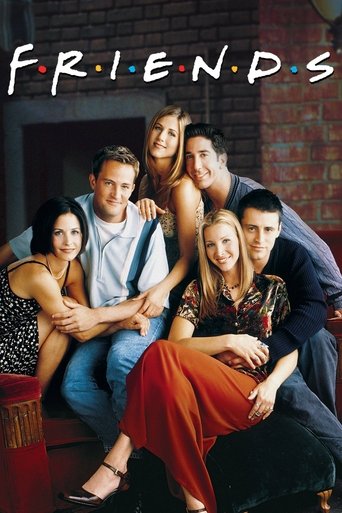
"In the case of somebody who models themselves after friends yeah like pull my finger doesn't always break the ice — Josh references how people model themselves after TV shows like Friends, and how behaviors that work on sitcoms don't necessarily translate to real life."
— Josh

Good Eats
1999
TV-G
★ 8.7
"This is about popcorn, by the way. Okay. Just finished the podcast on popcorn. It reminds me of a segment I saw years ago on Alton Brown's Good Eats. — A listener email mentions a segment from Good Eats about Montezuma's revenge and nixtamalization of maize."

Love on the Spectrum
2019
★ 7.4
"If you want to develop a familiarity and empathy for people with autism, I think you could do a lot worse than starting with Love on the Spectrum. — Josh recommends Love on the Spectrum as a way to understand autism and develop empathy for people with autism."
— Josh

Pleasantville
1998
PG-13
2h 4m
★ 7.3
"And anyone who's seen the movie Pleasantville knows that that can turn out pretty good. Right. You may end up in color one day. — Josh references Pleasantville as an example of how violating social norms can change society for the better."
— Josh

The Rehearsal
2022
TV-MA
★ 8.0
"I mean, Nathan Fielder has a whole show about this called The Rehearsal, it's fascinating. — Josh recommends The Rehearsal as a show that explores sociological concepts related to self-presentation and rehearsal of social interactions."
— Josh
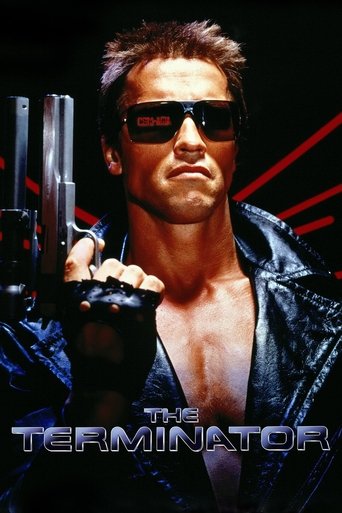
The Terminator
1984
1h 48m
★ 7.7
"sort of like the Terminator, like, and it's pretty limited, you don't have endless options — Josh uses The Terminator as an analogy for how social scripts limit our behavioral options in dramaturgical theory."
— Josh
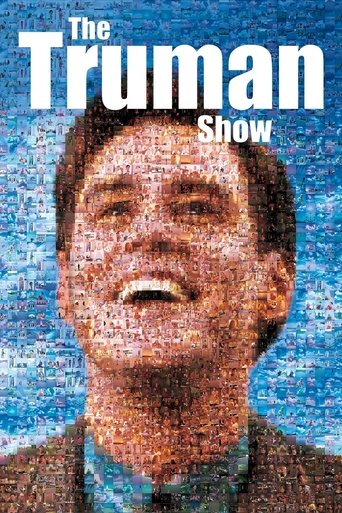
The Truman Show
1998
1h 43m
★ 8.2
"I mean, there's a lot of movies that kind of dance around this stuff, like the Truman Show — Josh mentions The Truman Show as a film that explores themes of social scripts and self-presentation."
— Josh
💬 Comments
Log in to leave a comment.